Microplastics at Home: The Not-So-Tiny Problem (and How to Cut Your Exposure)
Microplastics at Home: The Not-So-Tiny Problem (and How to Cut Your Exposure)
By: Tonya Slater
Published on: 02/12/2026 / (7-8 min read)
If you’ve ever thought, “I’m not chewing on plastic… so I’m probably fine,” I get it. Sadly, microplastics don’t need your permission. They show up like that one relative who “just stopped by” and somehow stayed for dinner.
Microplastics aren’t only an environmental issue anymore they’re a home health issue. The good news: although you can’t eliminate them completely, you can meaningfully reduce your daily exposure with a few high-impact changes.

What microplastics are (in plain English)
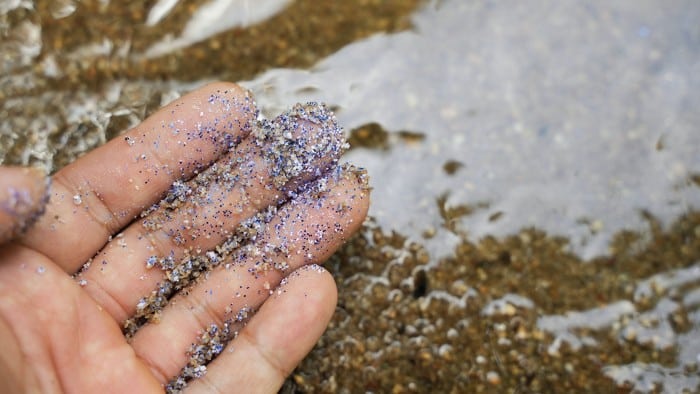
Microplastics are tiny plastic pieces smaller than 5 millimeters some are visible, many are not. They come from larger plastics breaking down over time (packaging, bottles, synthetic fabrics, etc.), and they’ve been found in water, air, soil, and food chains.
And here’s where it gets personal: research continues to build around how these particles may interact with the body and tissues and while the full story is still unfolding, the “wait and see” approach isn’t the vibe for a healthy home.

Why this matters for your health
Scientists are actively studying the human health implications. We do have enough evidence to say this: microplastics can enter the body through ingestion and inhalation, and emerging research suggests they may contribute to biological stress and inflammation pathways (the exact risk depends on particle size, type, dose, and exposure route).

One of the more sobering areas of research: microplastics have been detected in human placenta using advanced analysis techniques.
No fear-mongering here just a clear signal: it’s smart to lower exposure wherever we can.
Where microplastics hide in everyday home life
1) Bottled water (yep… even the “premium” kind)
A January 2024 research summary reported about 240,000 plastic particles per liter of bottled water on average, with a large share in the nano-size range (even smaller than microplastics).

Healthy-home takeaway: If you’re drinking bottled water daily, this is one of the biggest “bang for your buck” areas to change.
2) Hot drinks + takeout containers
Heat speeds up the transfer of substances from packaging into food and drinks. Many “paper” cups are lined with plastic films to prevent leaking, so your latte isn’t just cozy it may also be a delivery system for unwanted extras.
Healthy-home takeaway: The hotter the food/drink + the more plastic involved = higher priority swap.
3) Plastic food storage + cooking tools
Plastic containers, plastic wrap, plastic utensils, and some coatings can shed particles over time especially with heat, scrubbing, or wear.
Healthy-home takeaway: “Don’t microwave in plastic” is a baseline. We’re going beyond baseline.
4) Synthetic fabrics (carpet, upholstery, activewear, “performance” everything)
Microfibers from synthetic textiles are a known source of plastic particles in the environment and indoors, that can translate into dust you breathe and track around.
Healthy-home takeaway: Your home doesn’t need to be a plastic-fiber snow globe.
5) Dust (the underrated exposure pathway)
Indoor dust is basically a “highlight reel” of what’s in your home: textiles, flooring, furniture, packaging, and whatever else is shedding microscopic particles.
Healthy-home takeaway: Cleaning strategy matters more than cleaning frequency.
What you can do: a simple Detox Dwellings action plan
You don’t need to overhaul your whole life by Friday. Start with these in order:
Step 1: Upgrade your drinking setup (highest impact)
Switch to stainless steel or glass water bottles.
If you can, use a home filtration system that fits your needs and budget.
Reduce routine bottled water use, especially as a daily habit.
Step 2: Stop heating food in plastic (high impact, easy win)
No microwaving in plastic containers.
Avoid putting hot food into plastic takeout containers (transfer to glass/ceramic).
Swap to glass containers (with silicone lids if you want to be extra grown about it).
Step 3: Clean smarter (don’t just “move dust around”)
Use a true HEPA vacuum (not “HEPA-like,” not “HEPA-ish,” not “HEPA vibes”).
Damp-dust hard surfaces instead of dry-dusting.
Wash bedding regularly and ventilate well when weather allows.
Step 4: Reduce synthetic textiles over time (no perfection required)
When replacing items anyway, choose more:
Cotton, linen, wool, hemp, silk
Start with what touches bodies most: bedding, pajamas, towels, baby/kids textiles.
Step 5: Rethink convenience packaging
Choose fresh foods when possible.
Reduce heavily packaged snacks and “single-serve everything.”
Use glass or stainless for leftovers and lunches.
A quick reality check (because I love you)
Microplastics are so widespread that you won’t avoid them 100% and trying will make you miserable. The goal is lower exposure + better daily defaults, not “live inside a glass terrarium.”
Want help personalizing this to your home?
If you want a plan that matches your lifestyle (kids, budget, travel, remodel, whatever), this is exactly what I do inside Detox Dwellings.
Next steps:
Book a Healthy Home consult (we’ll identify your biggest exposure sources and prioritize changes)
Or join the community if you want ongoing guidance and product swap lists without the overwhelm
____________________________________________________________________________
*Educational content only not medical advice. If you have health symptoms or concerns, partner with a qualified medical professional.
